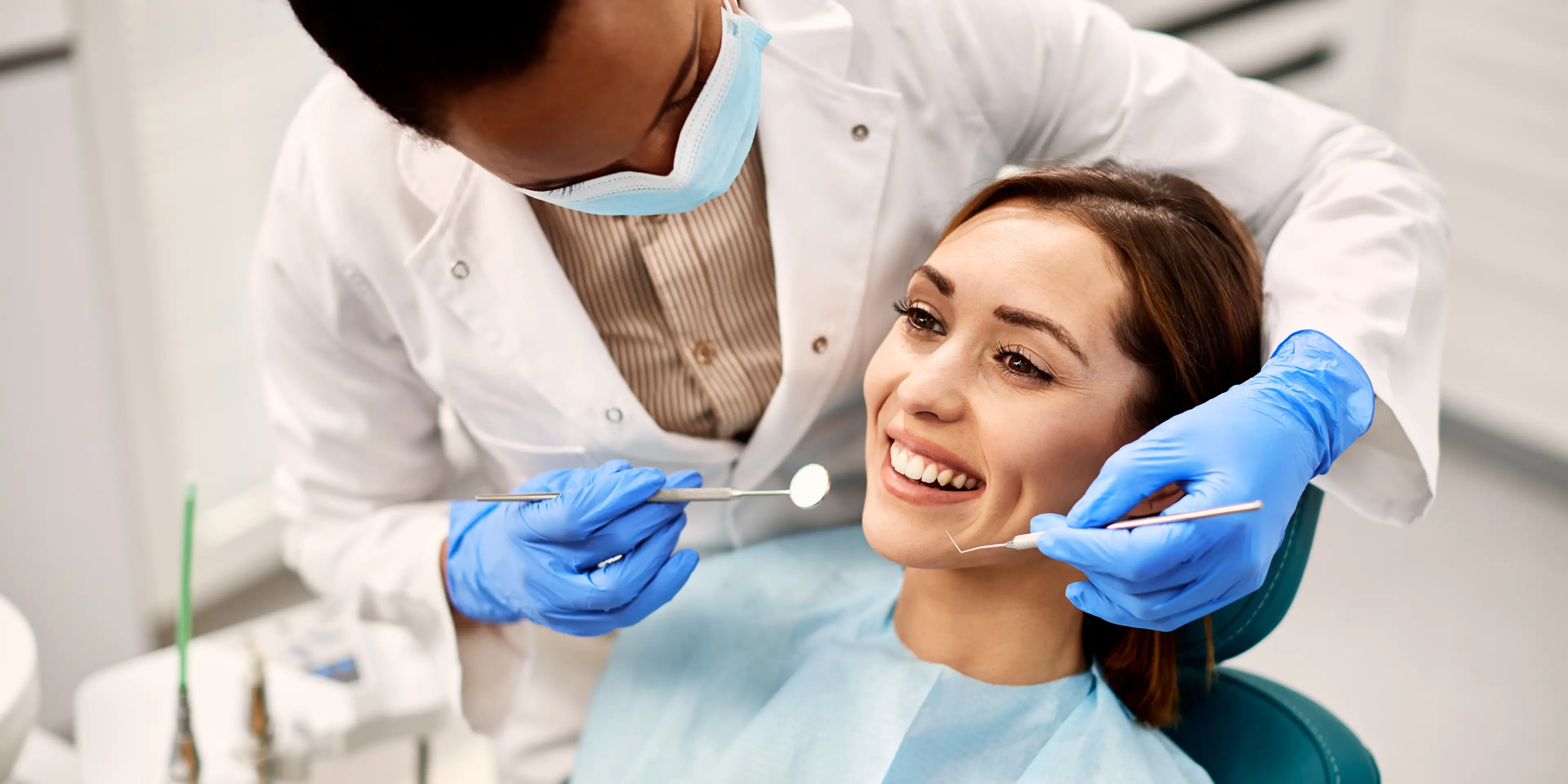
Dental Checkups & Cleanings in Innisfil, ON
What Preventive Care Actually Does for You
We Notice What Changes
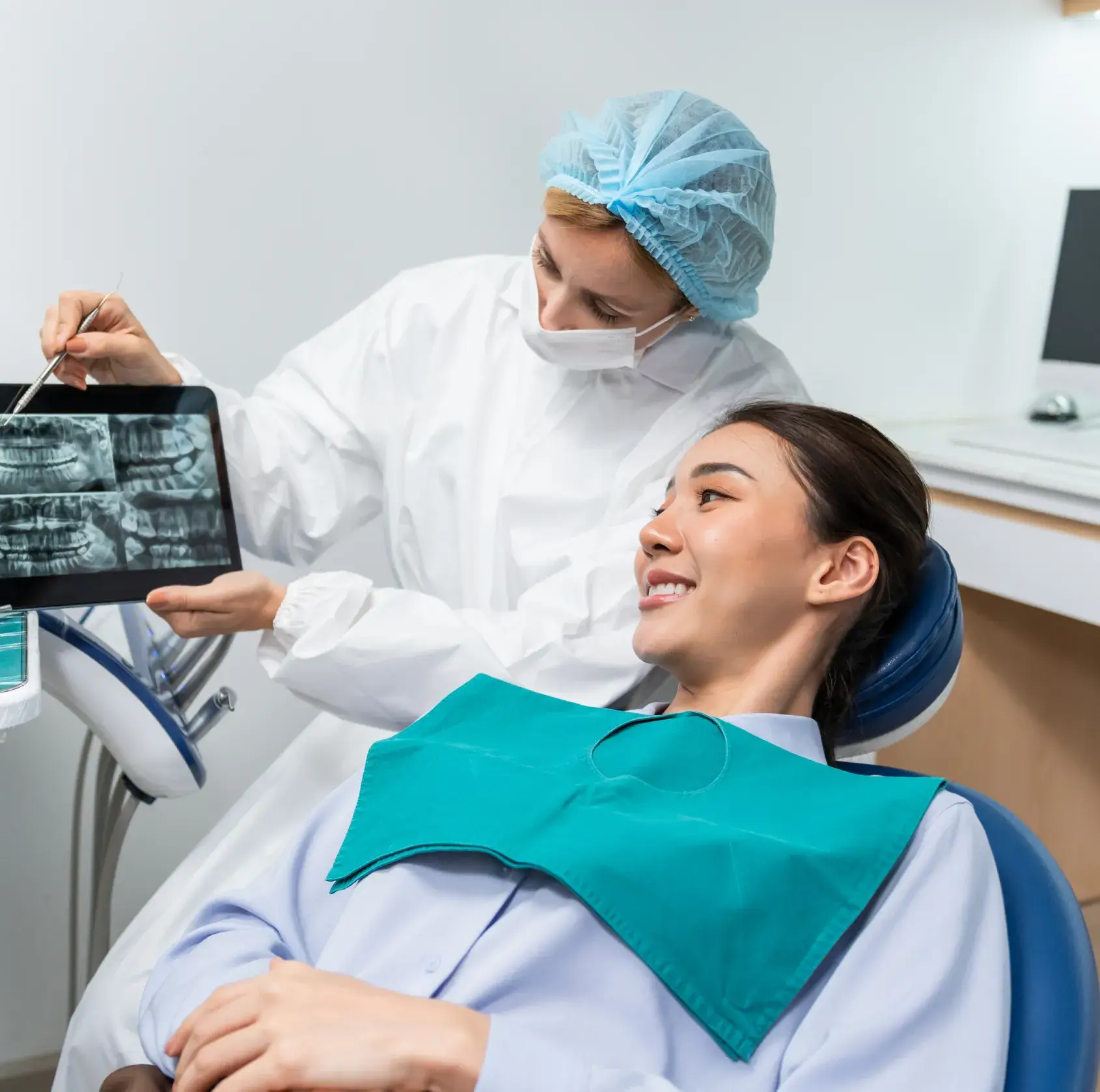
We review your records, your X-rays, and your history at every visit. When something looks different than it did six months ago, we'll catch it and tell you what it means before it becomes a bigger problem.
You'll Always Know Where You Stand
After every exam, we walk you through what we found and what needs to happen next. If something can wait, we'll say so. If something needs attention, we'll explain why so you can make a confident decision.

Your History Works for You
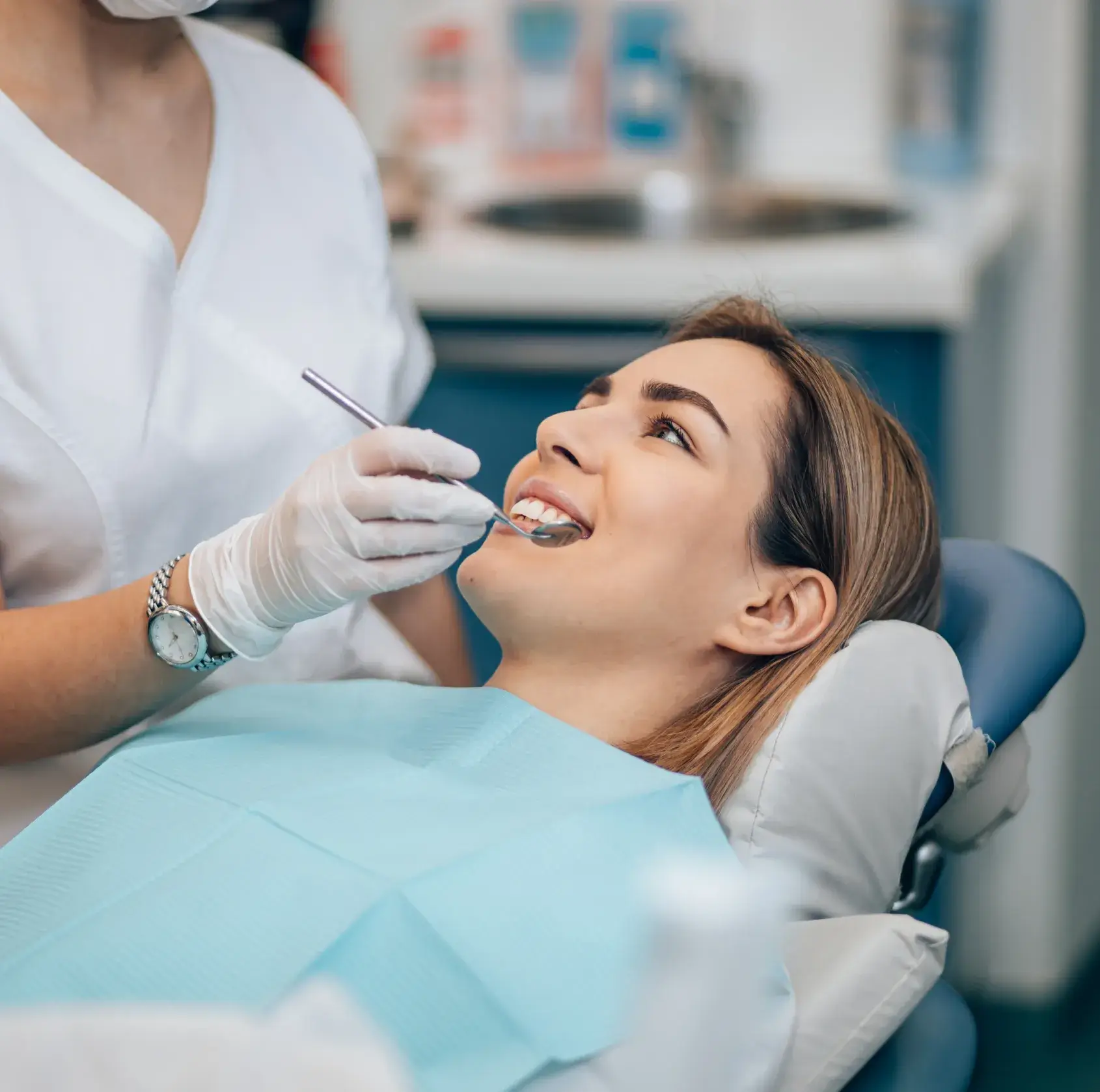
Every exam, every X-ray, and every note in your chart builds a record of your oral health over time. That's what allows us to spot gradual changes early, the kind that only become visible when you're looking at months or years of data side by side.
Find Out What Your Plan Covers
How Often Should I See the Dentist?
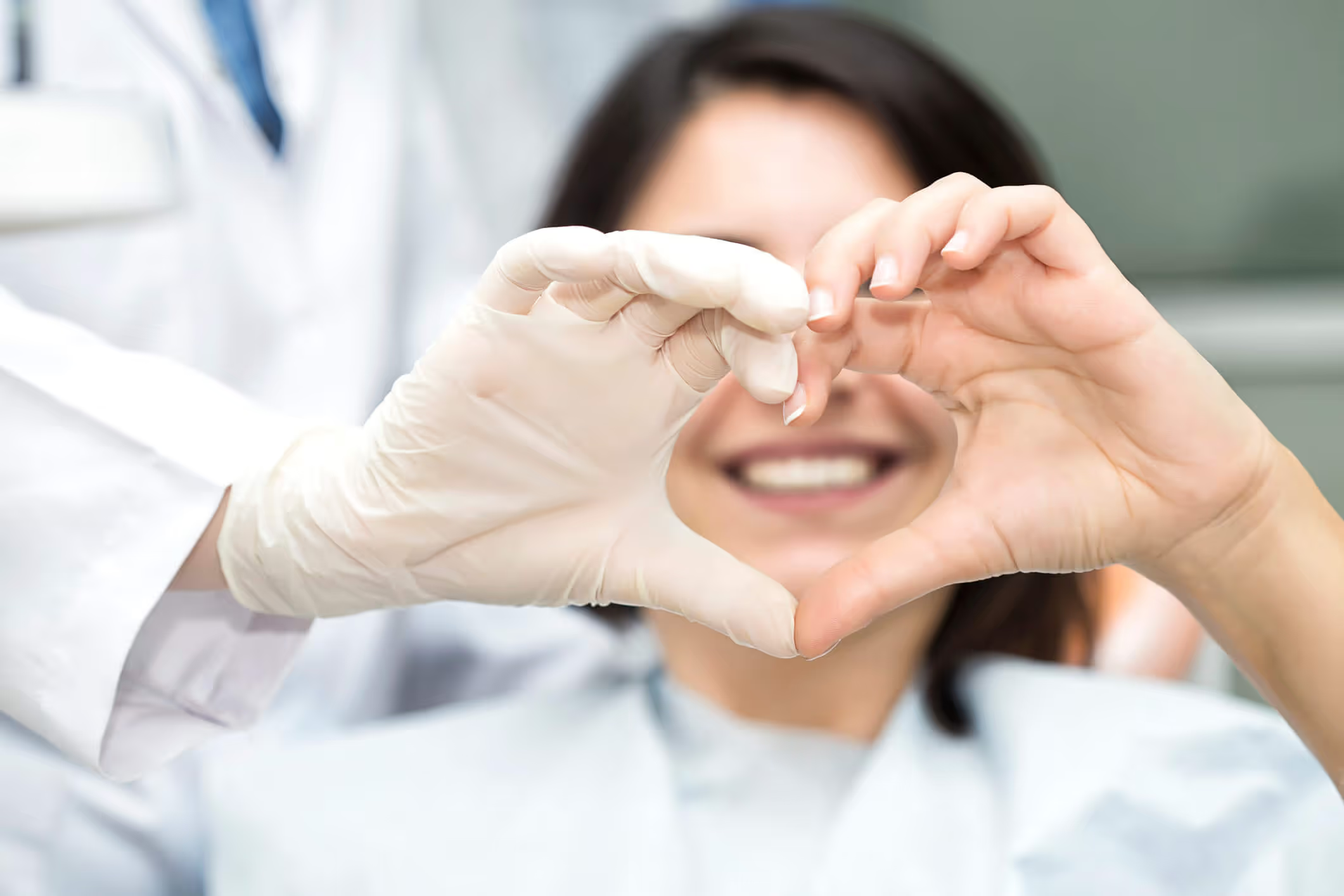
Every six months works well for most patients, but the right frequency depends on your individual oral health. We may recommend coming in more often if you're managing:
- Active gum disease or a history of periodontal issues
- A higher cavity risk based on your diet, saliva levels, or enamel
- Medications that affect your gum tissue or saliva production
- A gap in care that we need to work through together
We'll tell you what we recommend and why, and we'll adjust that recommendation as things change.

Keeping Your Teeth Healthy Between Visits
What you do at home between appointments directly affects what we find when you come in. Here's what makes the biggest difference:
- Brush twice a day with a fluoride toothpaste for at least two minutes each time
- Floss once a day. It's one of the best ways to clean between teeth where cavities and gum disease most commonly start
- Rinse with a fluoride mouthwash if you're prone to cavities or have been advised your enamel needs extra support
- Call us if something changes between visits: sensitivity, bleeding gums, or anything that feels off


What Happens During Your Checkup
Teeth Cleaning
Your hygienist removes plaque and tartar from areas that brushing and flossing can't reach, particularly below the gumline where buildup leads to gum disease over time. You'll leave with teeth that feel genuinely clean.
Digital X-rays
X-rays show us what's happening between teeth and below the gumline, where visual exams can't reach. Digital X-rays use significantly less radiation than traditional film and produce sharper images we can walk you through on screen in real time.
Comprehensive Exam
Dr. Gill examines every tooth, your gums, your bite, and your jaw for cavities, gum disease, cracks, and worn enamel. If she finds something, she'll show you and explain it before any recommendations are made.
Oral Cancer Screening
Every exam includes a check of the tissue in your mouth, throat, and neck for early signs of oral cancer. It takes a few minutes, and it's part of every visit because early detection significantly improves outcomes.
What You Can Expect From Day One
More Time at Your First Visit
Clear Insurance & Costs
A Strong Foundation First
Honest About What Can Wait
Frequently Asked Questions
Can I book a cleaning without a checkup?
We recommend combining the two. A cleaning without an exam means we're addressing buildup without assessing the overall state of your oral health. If you have a specific concern, call us and we'll figure out the right approach for your situation.
My gums bleed when I floss. Is that normal?
Bleeding gums are typically a sign of inflammation from plaque buildup. Consistent flossing usually reduces bleeding over time as the tissue becomes healthier. If it persists after a few weeks, mention it at your next visit and we'll take a closer look.
What is an oral cancer screening and should I be concerned?
It's a quick visual and physical check of the tissue in your mouth, throat, and neck. It's not a cause for concern. It's a routine part of every exam that takes a few minutes and is most valuable precisely because most patients wouldn't notice early changes on their own.
Are checkups and cleanings covered by insurance?
Most private insurance plans cover preventive care at least twice per year. The CDCP also covers a range of preventive services for eligible patients. We review your coverage before your appointment so you know what to expect.
What if I haven't been to the dentist in a few years?
There's no judgment here. We'll assess where things stand, walk you through what we find, and put together a plan that gets your oral health back on track at a pace that works for you.
My teeth look fine. Do I still need to come in regularly?
Yes. Cavities between teeth, early gum disease, and oral cancer are all common conditions that produce no visible symptoms in their early stages. Waiting until something is noticeable means the treatment is almost always more involved.
Do I really need X-rays every visit?
Not necessarily. We follow evidence-based guidelines and only take X-rays when they'll give us clinically useful information. How often that is depends on your history and risk factors.
What's the difference between a regular cleaning and a deep cleaning?
A regular cleaning addresses plaque and tartar above and just below the gumline. A deep cleaning, also called scaling and root planing, goes further below the gumline and is recommended when gum disease has allowed significant buildup to develop in those areas. We'll tell you if we think you need one and explain why.
Does a cleaning hurt?
Most patients find cleanings comfortable. If your gums are sensitive or inflamed, there may be some tenderness. We work at a pace that keeps you comfortable and you can ask us to stop at any point.
How long does a dental checkup and cleaning take?
A routine checkup and cleaning takes about an hour for most patients. For a first visit, the exam and the cleaning can each take about an hour, so we have time to take full records and get a complete picture of your oral health.
Learn More About Dental Checkups & Cleanings
Find Us in Innisfil
1015 Innisfil Beach Road Units C and D Innisfil, ON L9S 1T3Innisfil Dental is located on Innisfil Beach Road to serve patients and families who want a dentist close to home. Quality care and a shorter drive should not be mutually exclusive.
Convenient on-site parking available.